
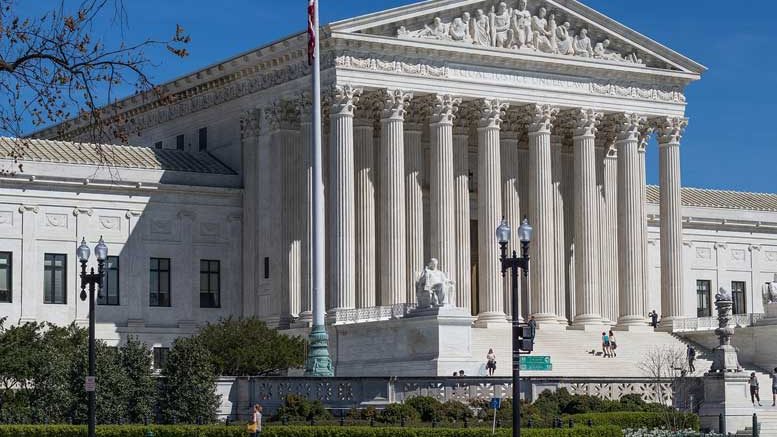
The U.S. Supreme Court agreed on Jan. 24th to revisit limitations under the Clean Water Act to determine which wetlands are protected. The issue stems from a case brought forth by Michael and Chantell Sackett in 2007, after they received local permits to build a house on a vacant lot that they owned. However, the Environmental Protection Agency (EPA) deemed that the construction was a violation of the Clean Water Act, as the lot contained wetlands that qualified for protections.
This case ultimately raises the question of how courts should determine what constitutes “waters of the United States” – whether it must have a “continuous surface connection” to regulated waters, as argued by Justice Scalia, or if the wetlands in question need to be a “significant nexus” to regulated waters, as argued by Justice Kennedy in the 2006 Rapanos v. U.S. case.
The decision to hear the lawsuit coincides with the Biden Administration’s plans to issue a new rule on the Clean Water Act, after reversing Trump-era regulations in November that had limited statute protections from the nation’s wetlands and streams, reducing permit obstacles for builders, oil and gas developers and farmers.