|
Click to listen to this article
|
Idaho Potato Conference and Eastern Idaho Ag Expo
By John O’Connell, University of Idaho
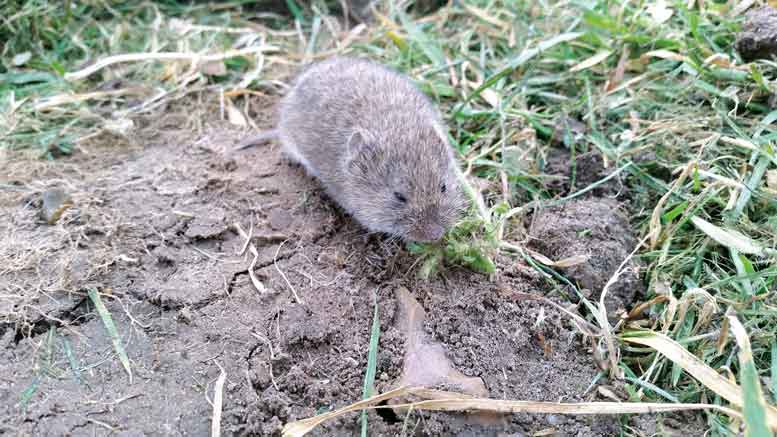
University of Idaho Extension educators are surveying southern and eastern Idaho potato farmers to document the scope of their problems with mouse-like rodents known as voles. Extension educators Jason Thomas and Danielle Gunn are leading the survey effort, and Extension agricultural economist Patrick Hatzenbuehler will estimate crop losses based on responses.
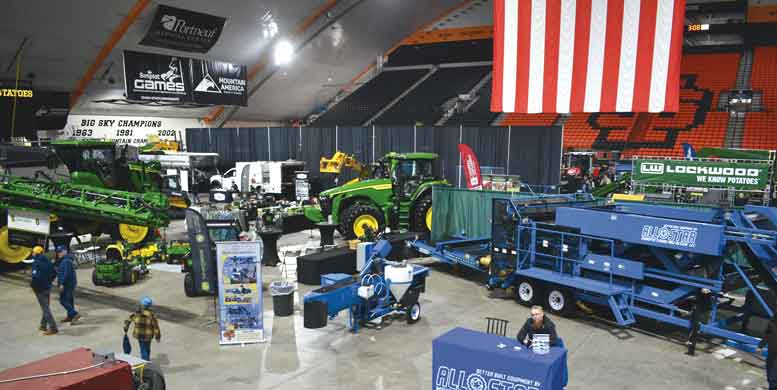
Hatzenbuehler presented some preliminary data at the Idaho Potato Conference, which U of I hosted in Pocatello, Idaho, on Jan. 22-23, based on surveys from 84 respondents. On average, the initial respondents each had 1,465 acres of potatoes affected by voles, which reduced their spud yields by 18% on those acres.
Furthermore, 58% of respondents used rodenticide to control voles, investing a combined $2.05 million in those treatments. On a scale of one to five, with five being the most effective, 92% of growers surveyed rated the efficacy of rodenticide treatments at three or less. Another 16.67% of growers surveyed attempted to control voles through habitat modifications, such as plowing, mowing or installing barriers, and 9.5% of respondents had to replant at least some of their acres.
Area farmers frequently call Extension pest specialists to voice their frustrations about the lack of good options to prevent voles from eating away their profits. Thomas explained he and his colleagues have had no recourse but to offer the same suggestions farmers have tried for years, with limited success.
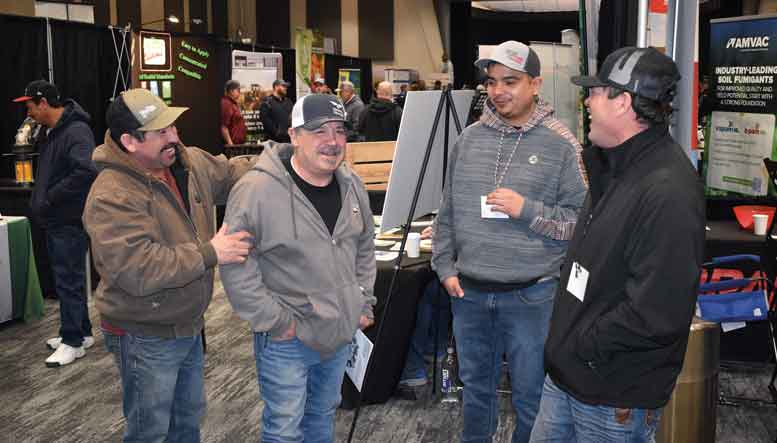
Thomas has become convinced that the first step toward getting long-overdue help for farmers struggling with voles should be to compile good data.
“As folks were reaching out to me and asking, ‘What do we do about this?’ it was hard to do anything without data,” Thomas said. “My belief is at least I can help tell the story so they can make the case and have some numbers. I know this is an ongoing struggle farmers will continue to have.”
The brief survey focuses on potato production but will also include a question asking farmers to list any additional crops that have been ravaged by voles.
Survey data could support the need for additional investment in research, direct aid to growers or new policies and regulations pertaining to vole control. The U of I Extension team chose to focus on potatoes based on the high value of the crop. In addition to losing tonnage, potato farmers with heavy vole damage must often sell spuds with chew marks at a discount for making potato flakes rather than at a premium for making French fries or for the fresh market.
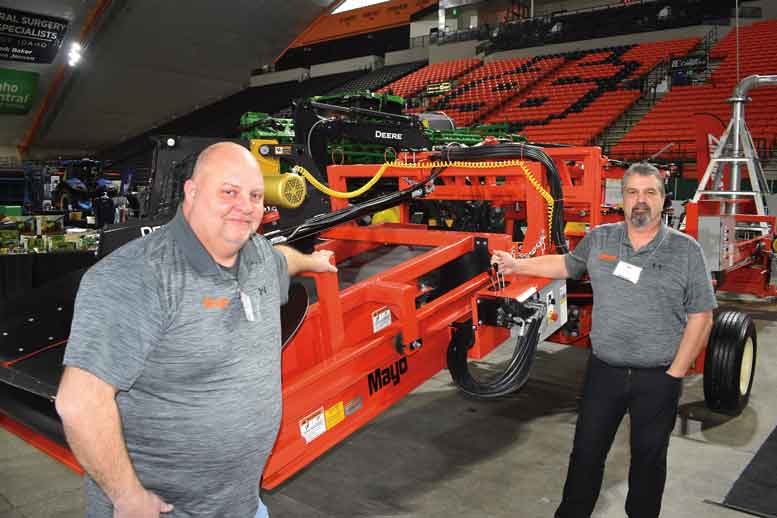
“If we’re successful with potatoes, we can move to different crops later,” Hatzenbuehler said.
Many regional grain and alfalfa fields also routinely sustain significant vole damage. Alfalfa damage from voles affects stand longevity and productivity significantly.
Decades ago, voles were effectively controlled in Idaho by flood irrigation and moldboard plowing. The shift toward sprinkler irrigation and no-till farming throughout Idaho has been great for soil health, water conservation and the environment, but burrowing voles have also benefited.
“In years past, they’d have one or two years where voles would be bad. It seems like anymore, every year is a bad year,” said U of I Extension educator Joseph Sagers, who handles the vole issue in Jefferson County.
This winter, Sagers has been consulting with alfalfa farmers in Terreton, Monteview, Menan and Blackfoot who have experimented with running a roller over snow-covered fields to compact vole tunnels. Following treatments, voles lose their cover and are easily spotted by predators against the white, snowy background.
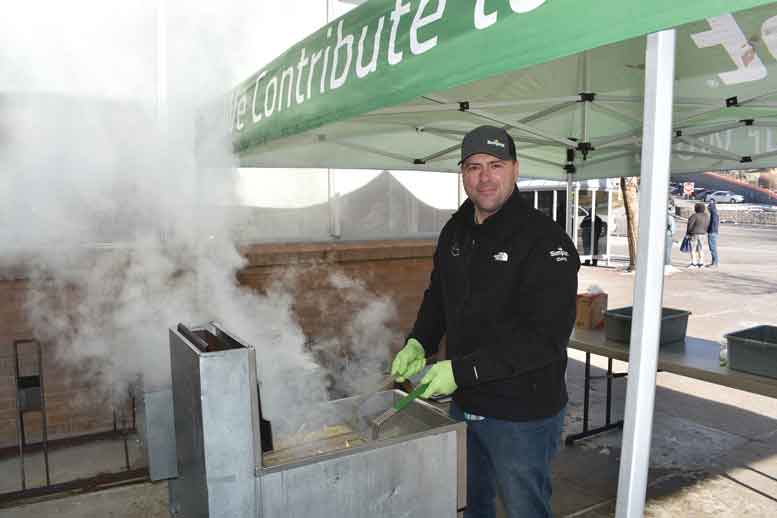
“They have a whole bunch of voles coming up to the surface, where they’re eaten pretty quickly,” Sagers said. “This is certainly going to be a useful tool in the toolbox for these farmers.”
Last spring, vole populations in at least 11 counties reached epidemic levels, causing significant damage to crops and rangeland.
Heading into winter, Gunn advises growers who have had serious vole problems to consider removing or modifying vole habitat and food sources and to remove snow, if feasible. Zinc phosphide is the most effective rodenticide for voles but cannot be applied when soil moisture is high or there’s precipitation. Anticoagulant rodenticides cannot be applied directly to any feed crops but may be applied to field perimeters.

“A survey is instrumental in helping U of I Extension educators collect important information regarding vole populations and cyclicity, as well as data regarding crop and range loss due to vole infestations,” Gunn said. “The data will be submitted to state and federal agencies to demonstrate the significant need for programming and funding to help mitigate the harmful effects of these vertebrate pests.”
The survey is available online at uidaho.co1.qualtrics.com/jfe/form/SV_6KKoB4cTSn6p1Yy.